Here Are the Best TVs in 2024
Here are our top picks for the best TVs of 2024, based on side-by-side comparisons at CNET's testing lab.
Our Experts


- Although still awaiting his Oscar for Best Picture Reviewer, David does hold certifications from the Imaging Science Foundation and the National Institutes of Standards and Technology on display calibration and evaluation.
Our Picks
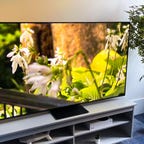
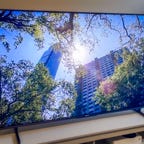
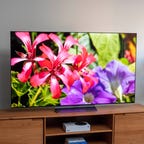
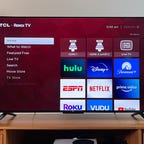
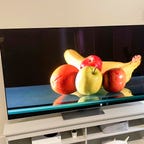
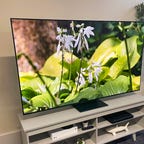
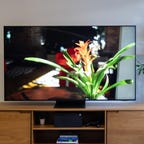

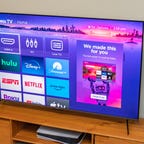
There are so many things to consider when buying a TV: LED or OLED? What size fits in your space? Will your gaming consoles be compatible? Maybe most importantly, what's your budget?
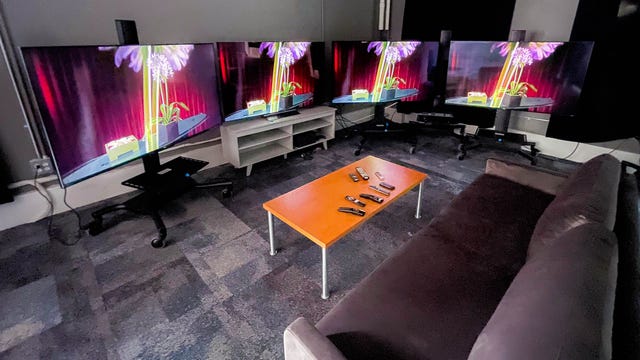
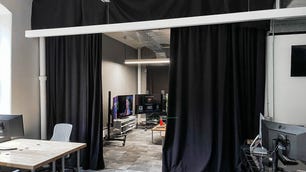
At CNET, I review TVs side by side in a state-of-the-art testing lab, taking hundreds of measurements with specialized equipment and comparing gaming, home theater and bright-room image quality. My 20 years of experience as a TV reviewer helps me determine which is the best TV overall and the best TV in your price range.
2024 TVs are rolling out now, and we'll review them as they do.
Read more: How We Test TVs
What is the best TV right now?
In a sea of TV choices this year, the TCL QM8 series has replaced the TCL 6-Series at the top of the list for several reasons. The QM8 offers superb picture quality overall, all the features you need in a modern television -- including 4K/120Hz input and variable refresh rate that can get the most out of consoles like the PS5 and Xbox Series X -- and an affordable price tag. When a friend asks me what TV to buy from 65 to 98 inches, I tell them the TCL QM8 series.
There are plenty of other excellent choices available, especially if you want a TV smaller than 65 inches. Although the QM8 is my current favorite for most people, it might not be right for your preferences or budget.
Best TVs in 2024
TCL has topped our list of the best TVs for the last few years but the QM8 is something different, and even better than before. In my comparison tests, it stood out with superior brightness and impact while still maintaining excellent contrast: a combination no other TV could match at this price. The key is mini-LED tech and well-implemented full-array local dimming. It also has a sleek design with a center-mount stand. The operating system is Google TV, which I don't like as much as Roku TV, but it's still a solid smart TV. This model replaces the TCL 6-Series Roku TV from last year.
The main downside of the TCL QM8 is that it's available only in large sizes (65 inches and up). If you're looking for a 55-inch TV, I recommend the Hisense U8K instead. Note that prices shown here are for the 65-inch size in the QM8 series.
Best 55-inch TV
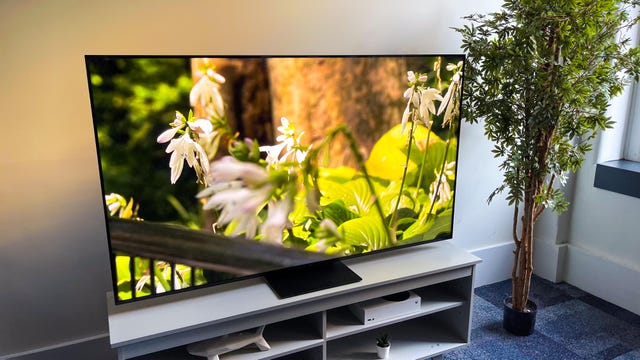
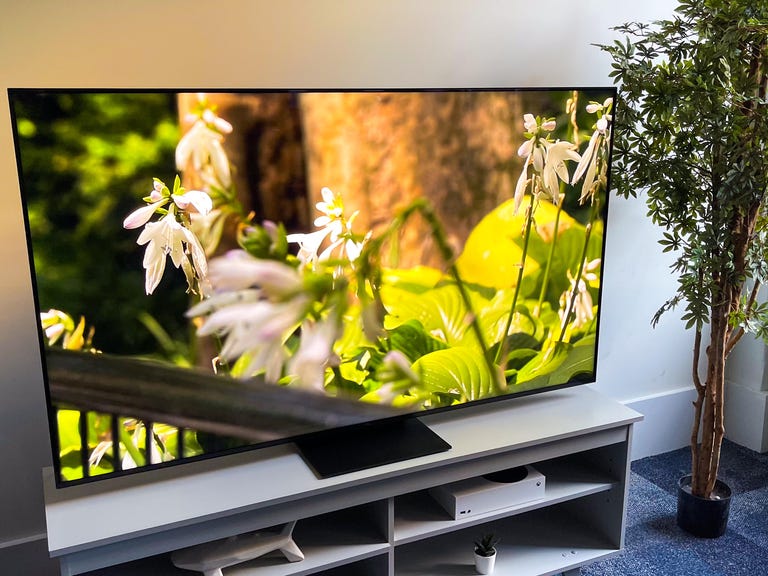
Hisense U8K
If you're looking for the best TV for the money and the TCL QM8 is just too big, the Hisense U8K should be your go-to. I compared the two TVs side by side, and while I liked the QM8 just a bit better, the U8K has one medium-size advantage: a 55-inch screen option. If 65 is too large for your room, your budget or your tastes, the choice between the two is simple: Get the 55-inch Hisense UK8.
Both offer excellent image quality and affordable prices thanks to mini-LED backlights and full-array local dimming, as well as similar gaming features and the Google TV operating system. Both cost hundreds less than you'd have to pay to get similar image quality from a better-known brand.
Note that while I tested the 65-inch size in the U8K series, the prices shown here are for the 55-inch size.
Best high-end TV
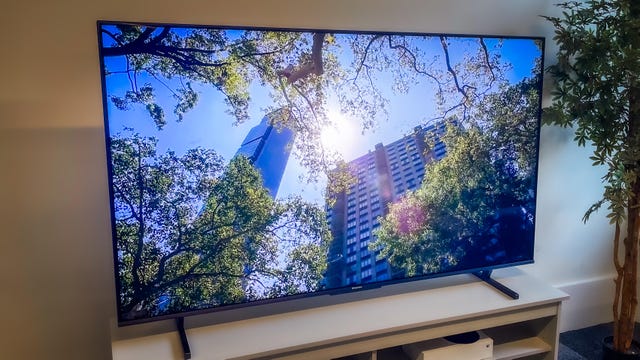
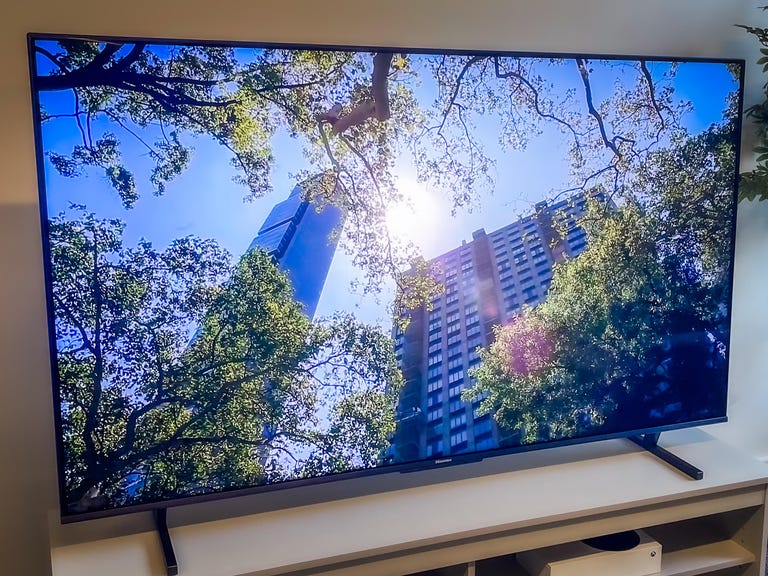
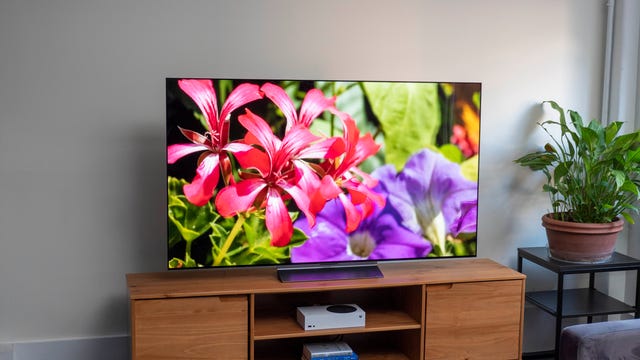
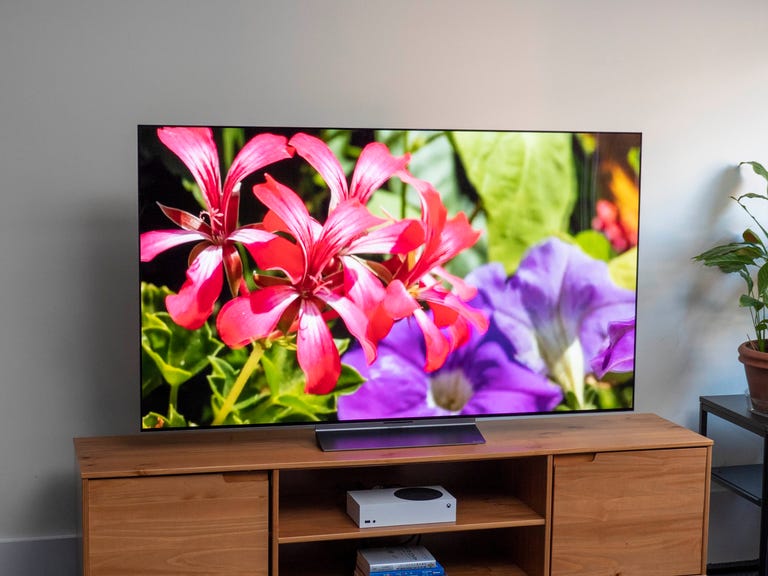
LG OLED C3
The C3 represents better picture quality than any non-OLED TV on this list at a higher price but is still not outrageously expensive. Its perfect black levels, unbeatable contrast and superb off-angle viewing kept it a notch above the mini-LED models in my comparison tests, and while its overall brightness isn't quite as impressive, it's still an incredible performer in all kinds of room lighting. The C3 is also one of the lightest TVs we've ever reviewed thanks to its carbon-fiber construction; the 65-inch version weighs just 37 pounds with its stand.
The prices shown here are for the 65-inch size of the LG C3 series.
Best budget smart TV
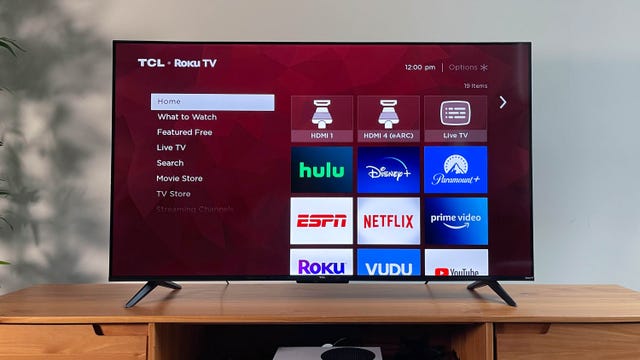
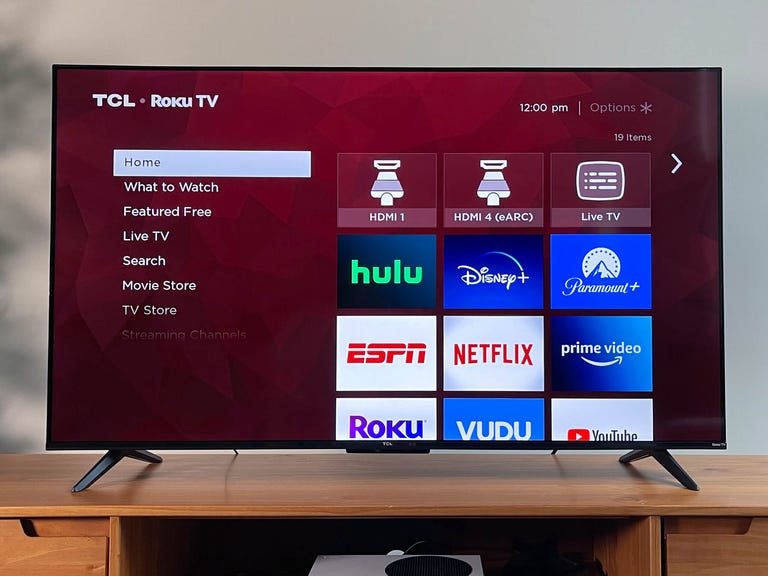
TCL 4-Series
The picture quality of the TCL 4-Series Roku TV proved impressive for its price in our budget TV test. But as a more affordable TV, the 4-Series lacks some features including Dolby Vision, Bluetooth connectivity and AMD FreeSync with a variable refresh rate.
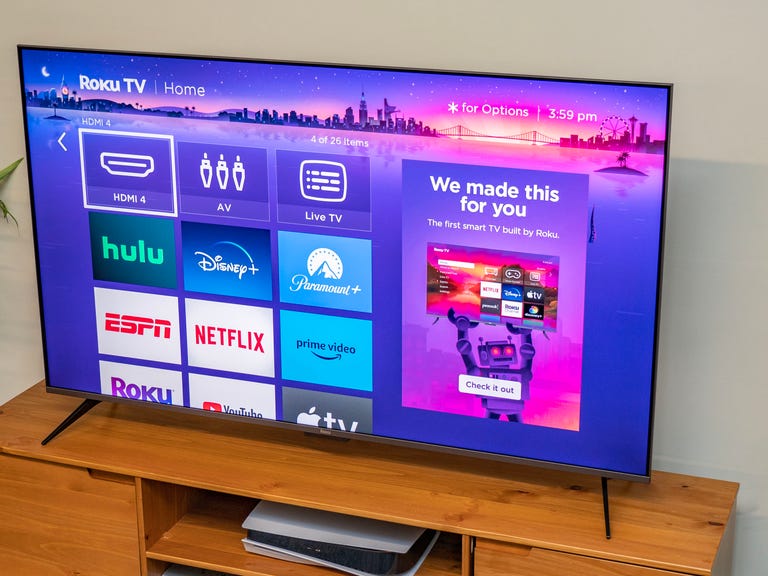
The 4-Series' main advantage is that it has the Roku Smart TV system built in. That makes it a great choice for those looking for a one-stop smart TV solution, without adding an external streaming device.
Note that TCL has been selling the 4-Series for the last few years with little to no change in image quality or features in our tests, although it has recently added some larger screen sizes, including an 85-inch option.
The prices shown below are for the 55-inch size.
Best TV picture quality
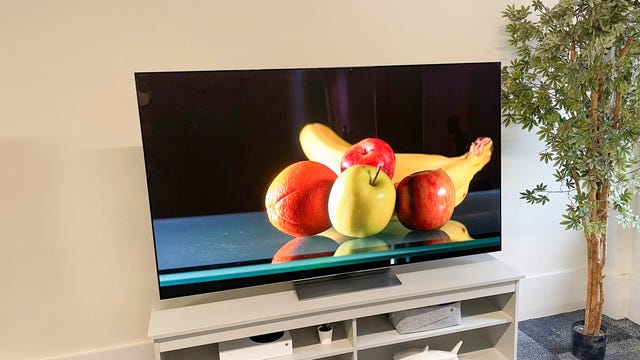
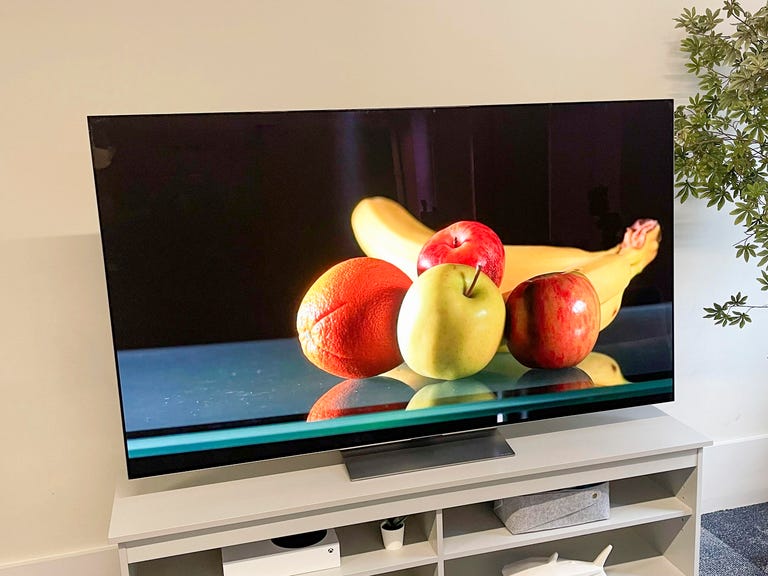
LG OLED G3
The LG OLED G3 delivers the best image quality I've ever tested in my 20-plus years of doing TV reviews. It's brighter than any other OLED TV and has a superior antireflective screen, for incredible performance in both bright and dark rooms. Compared directly to the Samsung S95C those traits helped it overcome a slight color deficit to the Samsung and propel it into best-ever territory.
Both it and the S95C cost hundreds more than less-expensive OLED TVs like the LG C3, and for most people, the difference isn't worth it.
The G3 replaces the G2 from last year and has an improved screen technology called MLA (for Micro Lens Array) that LG says is responsible for the G3's superior brightness. The G3 series comes in four sizes (55-, 65-, 77- and 83-inch), but the largest 83-inch size lacks MLA, so I don't expect it to perform as well as the others.
The prices shown below are for the 65-inch size.
Best TV color quality
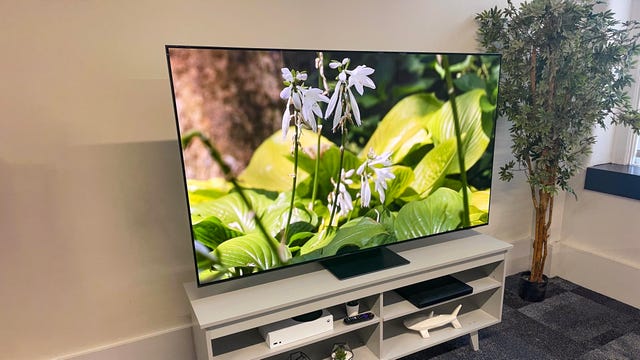
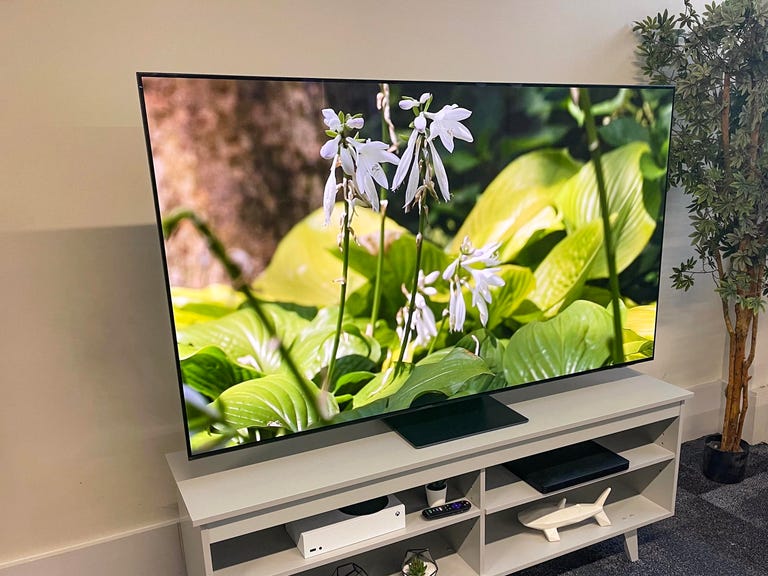
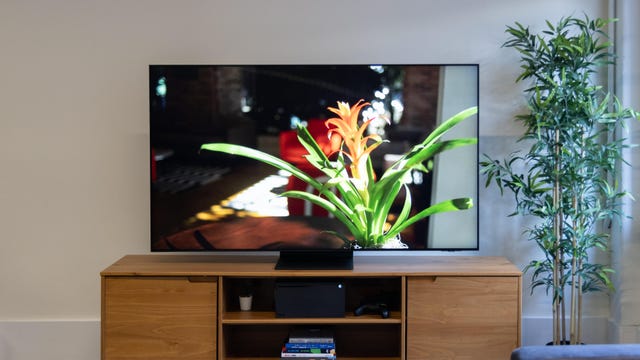
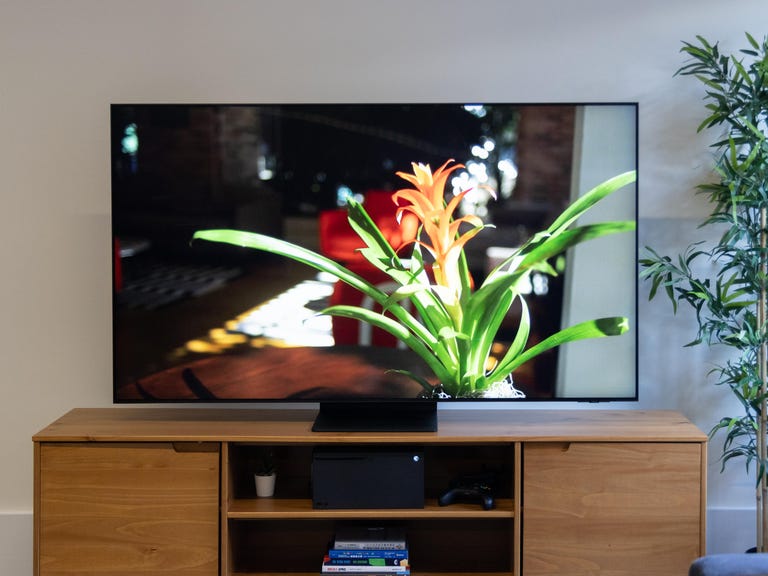
Samsung OLED S95C
I compared this TV side by side with the LG G3, and while I liked the G3 better overall, the Samsung S95C looked nearly as impressive. Its biggest advantage was color, thanks to Samsung's quantum dot-infused take on OLED technology, aka QD-OLED. The S95C's flowers, sunsets and other colorful objects looked a bit more natural and impressive than on the G3 or, frankly, any other OLED TV I've tested. The G3 showed excellent color and looked brighter and better overall, but it was very close.
I also preferred Samsung's design, with its unique external One Connect input box, if that's a factor for you. Instead of inputs on the back panel, this TV houses them in a separate box that connects to the TV via a single cable, easing installation. The panel itself is also thinner than that of the G3.
The S95C replaces the S95B and is one of two QD-OLED series Samsung's current lineup. The other, the S90C, isn't as bright, according to Samsung, and costs less and has standard inputs on the back panel.
The prices shown below are for the 65-inch size.
Best high-end non-OLED TV
Samsung QN90B
Looking for a high-end TV with spectacular image quality, but don't want an OLED? The Samsung QN90B is your best bet. This TV uses QLED TV tech augmented by mini-LED for a brighter image than any OLED TV. The spectacular contrast of OLED still won out in our side-by-side tests, but the QN90B QLED screen comes closer than ever.
Samsung produces several QLED TVs, but the QN90B is among the highest end, aside from versions with 8K resolution. This is a 2022 model, but the newer version -- the QN90C -- looks very similar in terms of features and while we haven't reviewed it, we expect it to deliver similar image quality.
The prices shown below are for the 65-inch size.
Best midpriced TV
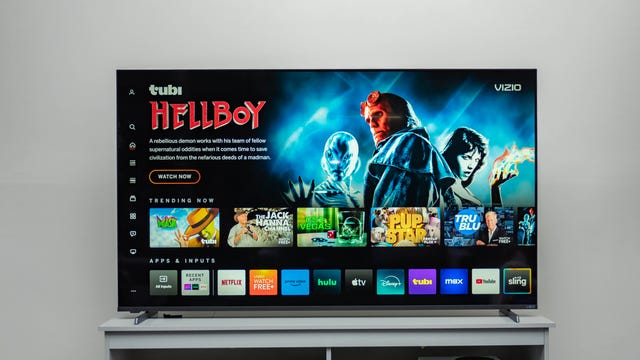
Vizio Quantum Pro
In our tests over the years, Vizio TVs have produced very good picture quality without breaking the bank. The Vizio Quantum Pro continues this trend: it's a solid midpriced TV option, though not without a few notable drawbacks.
In side-by-side comparison tests in our lab, the Quantum Pro performed well for the money, with better contrast than the similarly priced Roku Plus Series, for example. On the other hand, as expected, slightly more expensive models like the TCL QM8 and Hisense U8K were better, with brighter images and higher contrast.
One major drawback is the Quantum Pro's lack of size offerings; it comes only in 65- or 75-inch sizes. We reviewed the 65-inch model, but the review also applies to the 75-inch version since the specs and picture quality should be similar regardless of size.
If you're looking for a smaller TV in this price range, you might instead turn to the Roku Plus Series, which offers a 55-inch model and a superior smart TV system. Vizio will also continue to offer this TV's predecessor, the M-Series Quantum X, in the 50-inch size.

Best midpriced smart TV system
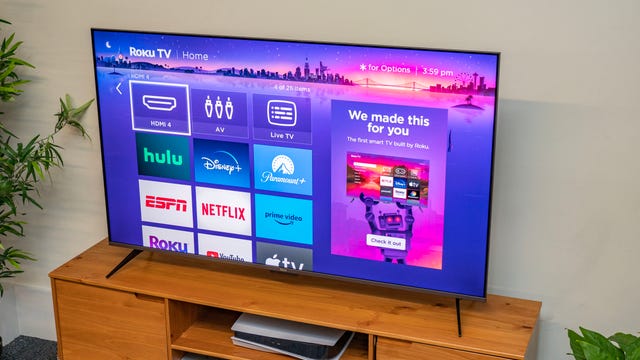
Roku Plus Series
Competition among TVs in the middle pricing band is heating up, and the Plus Series is the latest entrant. Unlike the TCL Roku TVs higher on this list, this one is all Roku, with no other brands on board. It adds a couple of step-up extras, including QLED and full-array local dimming, which help deliver a better picture than the TCL 4-Series, for example.
This is the first TV Roku has produced under its own brand, as opposed to partnering with a brand like TCL, Sharp, Pioneer or Hisense. The company also released a version with fewer features and no local dimming, called the Roku Select Series.
The price shown below is for the 65-inch size.
Other TVs we've tested
LG C2 series OLED TV: As we mentioned above, the C2 and C3 were virtually identical in our tests. That means that if you see a better price on the older C2, there's no reason you shouldn't get it. Read our LG C2 OLED TV review.
Sony KD-X80K series: Sony is a prominent brand and its higher-end TVs like the X90J do well in reviews, but the entry-level TV in its 2022 lineup, the X80K, didn't make the list. It costs around the same as the TCL 6-Series and Samsung Q60 TVs and had a worse picture than both, with lighter black levels and contrast. It's not a bad TV, and we liked its Google smart TV system, color accuracy and connectivity, but you can do better for the money. Read our Sony KD-X80K series review.
Amazon Fire TV 4-Series: One of many Fire TVs available for sale, this one is typical of the breed: so-so image quality and a smart TV system that lags behind Roku and Google TV. If you're a big fan of Alexa Voice or see this TV at a low price, it might be worthwhile. Otherwise, go for the TCL 4-Series. Read our best budget TVs roundup.
How CNET tests TVs
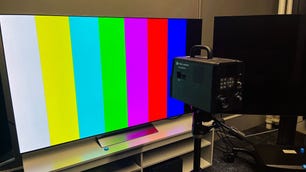
Our TV reviews follow a rigorous, unbiased evaluation process honed over nearly two decades of TV reviews. Our primary TV test lab has specialized equipment for measuring light and color, including a Konica Minolta CS-2000 spectroradiometer, a Murideo Sig-G 4K HDR signal generator and an AVPro Connect 8x8 4K HDR distribution matrix. We use Portrait Displays CalMan Ultimate software to evaluate every TV we review. In every CNET TV review, three or more similar TVs are compared side by side in various lighting conditions playing different media, including movies, TV shows and games, across a variety of test categories, from color to video processing to gaming to HDR. Our reviews also account for design, features, smart TV performance, HDMI input and gaming compatibility, and other factors.
One important aspect of image quality we test is overall brightness. Here's how it compares in nits across select TVs listed above.
Light output in nits
| TV | Brightest mode (HDR) | Accurate mode (HDR) | Brightest mode (SDR) | Accurate mode (SDR) |
|---|---|---|---|---|
| Samsung QN65Q90B | 3,316 | 1,981 | 2,625 | 974 |
| TCL 65QM850G | 1,975 | 1,975 | 1,739 | 1,448 |
| Hisense 65U8K | 1,966 | 1,966 | 1,720 | 1,240 |
| LG OLED65G3 | 1,378 | 1,378 | 725 | 724 |
| Samsung QN65S95C | 1,348 | 1,326 | 238 | 648 |
| LG OLED65C3 | 861 | 817 | 501 | 464 |
| Vizio Quantum Pro | 1269 | 1063 | 1382 | 221 |
| Roku TV Plus | 514 | 455 | 579 | 404 |
Check out How We Test TVs for more details.
Factors to consider when choosing a TV
With all of the TVs available today, and all of the technical terms and jargon associated with television technology, it can be tough to figure out what's important. Here's a quick guide to help cut through the confusion.
Price: TVs range in price from $100 to more than $2,000. Smaller screens are cheaper, well-known brands are more expensive and spending more money can also get you better image quality. Most entry-level TVs have a good enough picture for most people, but TVs last a long time, so it might be worth spending more to get a better picture. It's also best to shop for a TV in the fall when prices are lower.
Screen size: Bigger is better in our book. We recommend a size of at least 43 inches for a bedroom TV and at least 55 inches for a living room or main TV -- and 65 inches or larger is best. More than any other "feature," stepping up in TV screen size is the best use of your money. One of the most common post-TV-purchase complaints we've heard is from people who didn't go big enough. And we rarely hear people complain that their TV is too large.
Capability: Among entry-level TVs the most important feature is what kind of smart TV system the TV uses. Among midrange models, look for a feature including full-array local dimming, mini-LED and 120Hz refresh rate, which (unlike some other extras) do help improve the picture in our experience. Among high-end TVs, OLED technology is your best bet.
For more TV buying advice check out How to Buy a TV.
TV-buying FAQs
We'll post the answers to commonly asked TV questions below. If you have any others, feel free to reach out on Twitter (@dkatzmaier), or by clicking the little envelope icon on my CNET profile page. Doing so will let you send a message straight to my inbox.