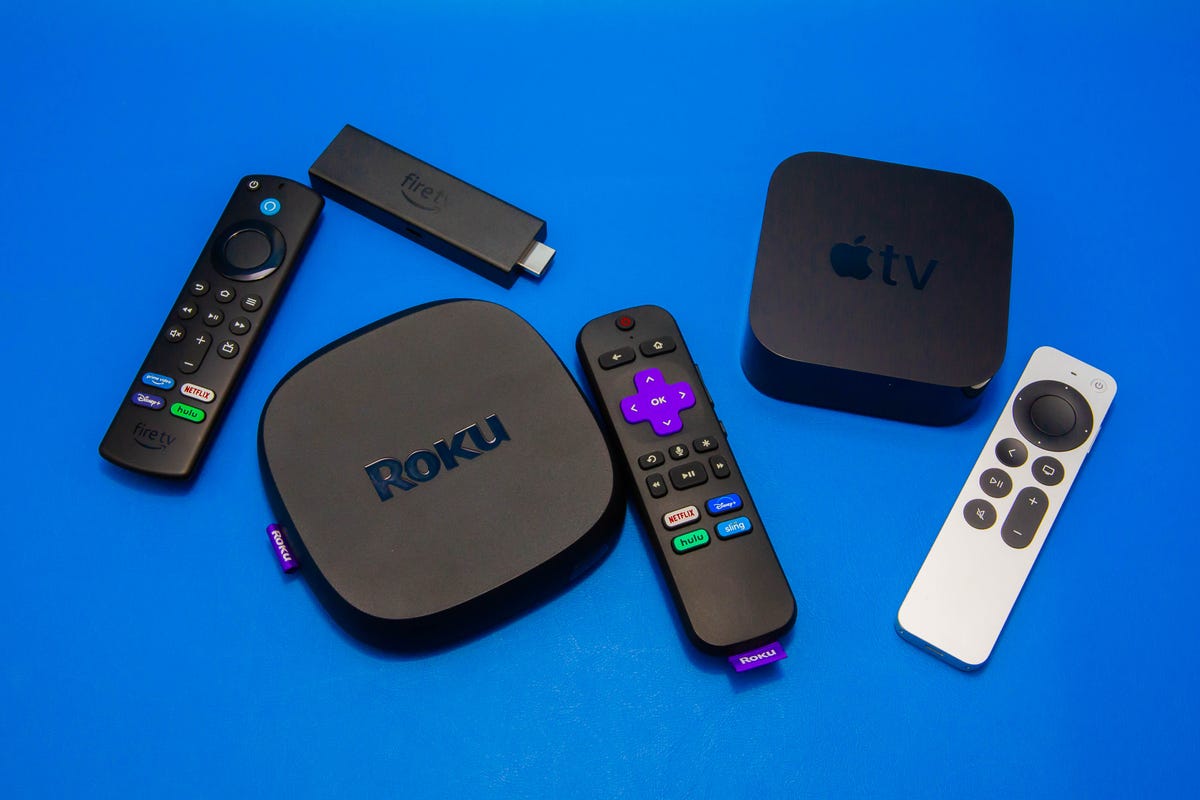
Best Streaming Device for 2024: Roku, Chromecast and More
Our favorite streaming devices work with a range of services and some include 4K video and even spatial audio to help you enjoy TV shows and movies.
Our Experts


- Although still awaiting his Oscar for Best Picture Reviewer, David does hold certifications from the Imaging Science Foundation and the National Institutes of Standards and Technology on display calibration and evaluation.

- Ty was nominated for Best New Journalist at the Australian IT Journalism awards, but he has only ever won one thing. As a youth, he was awarded a free session for the photography studio at a local supermarket.

- Member of Screen Actors Guild and Actors Equity Association
Our Picks

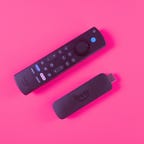
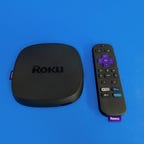
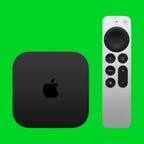
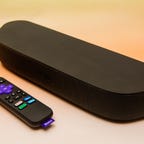
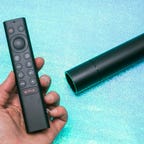
Though most smart TVs come equipped with a host of built-in apps for streaming, having a dedicated streaming device is a great way to improve your setup. This is especially useful for folks who have older smart TVs that aren't fully compatible with all streaming platforms. Additionally, individual devices provide all sorts of hardware improvements, like Dolby Atmos compatibility, swifter navigation speeds and 4K HDR streaming. At the same time, each streaming platform has its own distinct interface.
We've spent hours reviewing and testing every streaming device and major smart TV system available today so we can help you figure out the best streaming device that'll work for you. We've gone through every device in Roku's extensive lineup, checked out Google's latest offerings, tested all of Amazon's Fire TV Sticks and pored over Apple's most recent update to the Apple TV 4K so that we can give you informed and unbiased advice.
Read on as we break down the best streaming devices available now.
Read more: Best Streaming Service of 2024
What is the best streaming device overall?
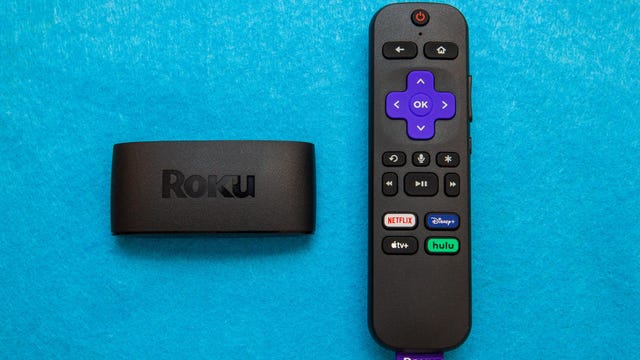
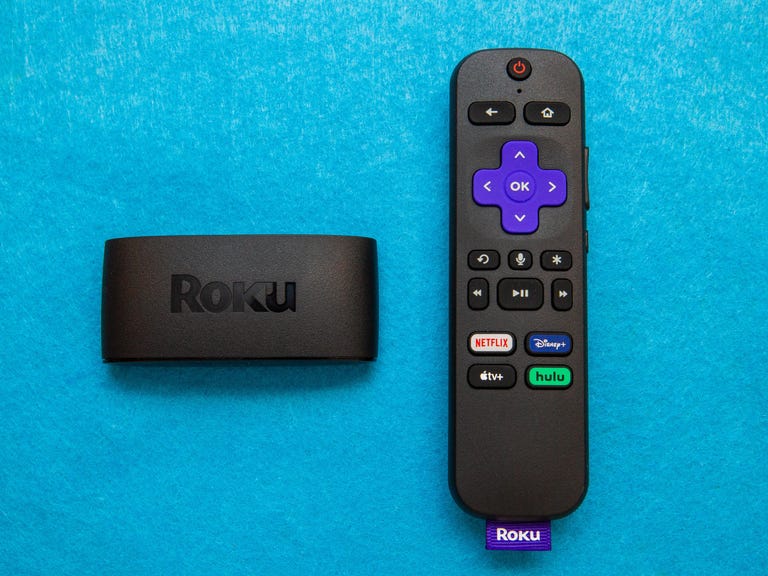
We prefer Roku's content-agnostic approach, ease of use, large app library and excellent search functionality over those from other companies. We've found that the Roku Express 4K Plus is usually the cheapest Roku that offers 4K HDR streaming, and is therefore the best streaming device to buy. The Express 4K Plus lacks Dolby Vision support, but we've found that this usually isn't a deal-breaker, as Dolby Vision only works on TVs that also support it. Additionally, we don't think that Dolby Vision looks any better than regular HDR and isn't generally worth extra money.
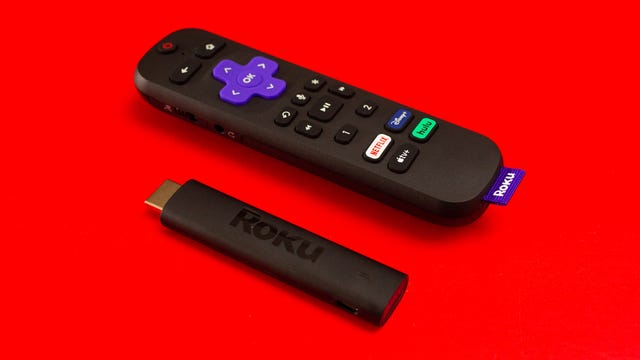
That said, there are times during the year when the Roku Express 4K Plus is not our top pick. This occurs when the Streaming Stick 4K is on sale and is cheaper than the Express 4K Plus. The Streaming Stick 4K offers all the same functionality of the Express 4K Plus, but includes Dolby Vision support -- which is why it's typically more expensive. We don't think this addition is worth the premium price, but it certainly shouldn't prevent you from grabbing the Streaming Stick 4K if it's the cheaper of the two.
Best streaming devices of 2024
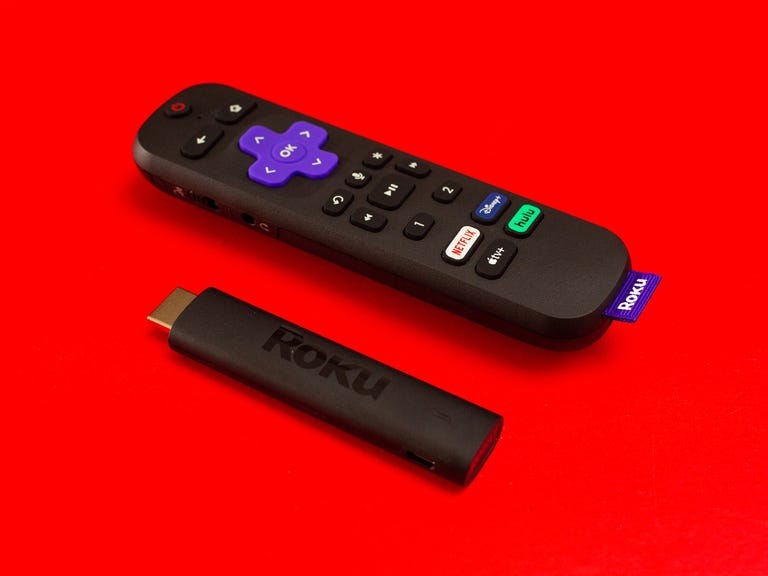
Roku is our favorite streaming system, with the most streaming app options, the simplest streaming platform interface and the best search. It also has a content-agnostic platform that doesn't push any one media streaming service provider, like Amazon Prime Video or Apple, over another. The Express 4K Plus streaming media player is one of the cheapest streaming TV options with 4K HDR. (Even if your current TV doesn't support those formats, your next one probably will.) Thanks to the AirPlay update, this Roku device is one of the least expensive ways to connect your iPhone or other Apple device to your TV. It is cheaper than the company's Streaming Stick 4K Plus and other 4K HDR streaming devices, and it's our top pick for best streaming device overall.
Second-place runner-up
Roku Streaming Stick 4K
The Roku Streaming Stick 4K features the same simple interface, large app selection and impressive search function found on all Roku devices, but also offers Dolby Vision support. Along with a stick-like design, Dolby Vision HDR is the main difference between the Streaming Stick 4K and the Express 4K Plus, and is ostensibly why the Streaming Stick 4K is more expensive than its sibling. While we think the Streaming Stick 4K is a great device, we're just not sold on the Dolby Vision upgrade -- mostly because we generally don't think that it provides a major image quality upgrade over standard HDR. But if Dolby Vision is important to you, this device will not disappoint.
Third-best streaming device overall
Chromecast with Google TV 4K
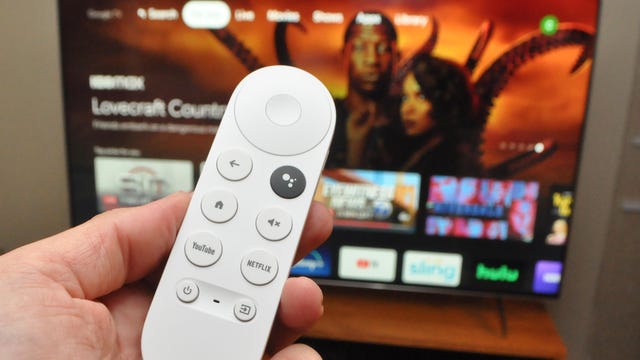
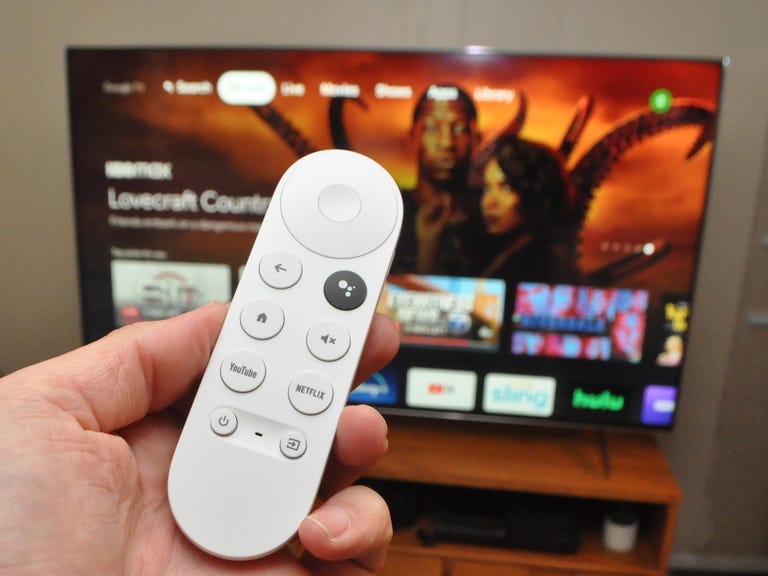
The Chromecast with Google TV 4K isn't quite as good as the Roku Express 4K Plus, but it comes closer than any other device on the market. Chromecast outdoes Roku by adding Dolby Vision compatibility, but its biggest smart device strength is Google Assistant voice search, which works well for finding stuff to watch. We also like the impressive integration with other Google services such as Google Photos and YouTube TV. The interface is more evolved-looking than Roku, but ultimately we prefer Roku's simpler approach, no-nonsense search results and lower price. That said, the new Chromecast is a better smart streaming device choice for those already living in Google's world.
Best HD streaming device
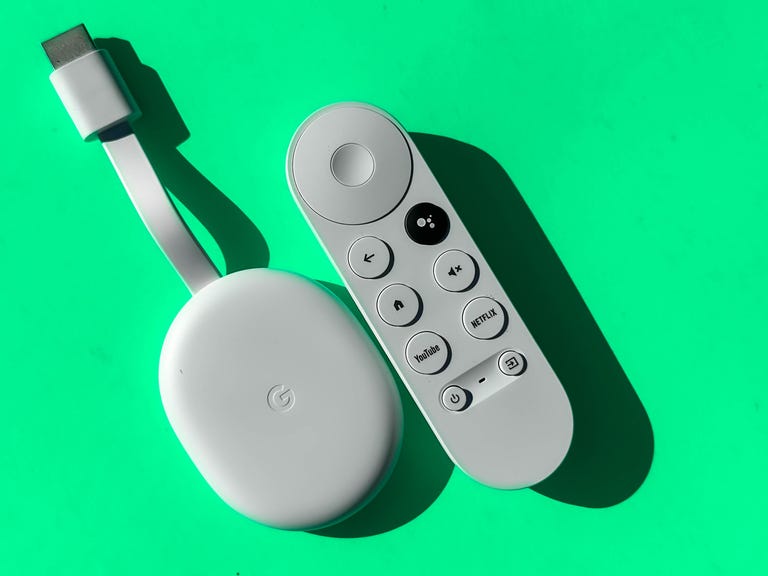
Chromecast with Google TV HD
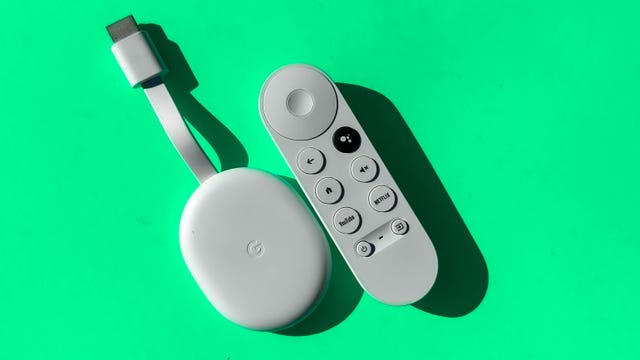
The Chromecast with Google TV HD is far and away the best HD-only, entry-level streaming device you can find. If you're looking for a cheap streamer for your HD TV, this is the one to get. It's speedy and offers the same form-factor and remote as the Chromecast with Google 4K, which means that it doesn't need line-of-sight to work and can seamlessly control your TV's power, volume and inputs. It also comes with a built-in button to access the Google Assistant.
Other entry-level HD streaming devices skimp on hardware features in order to sell their players at a lower price. For example, the remote that comes with Roku's entry-level streamer, the Roku Express, lacks voice control or the ability to adjust the volume, never mind being able to turn the TV on or off. Amazon's Fire TV Lite isn't much better. It offers Alexa support, so you can use your voice to control the TV, but it still lacks physical volume, mute and power buttons.
It might ultimately make more sense to spring for a 4K streamer, especially if you have a 4K TV or might get one. That said, this is an excellent HD option for those who just want something cheap.
Fastest streaming device
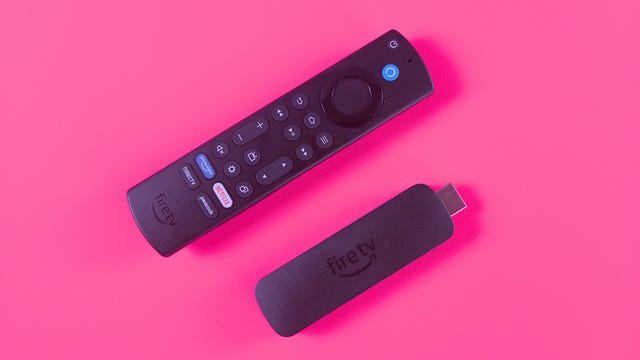
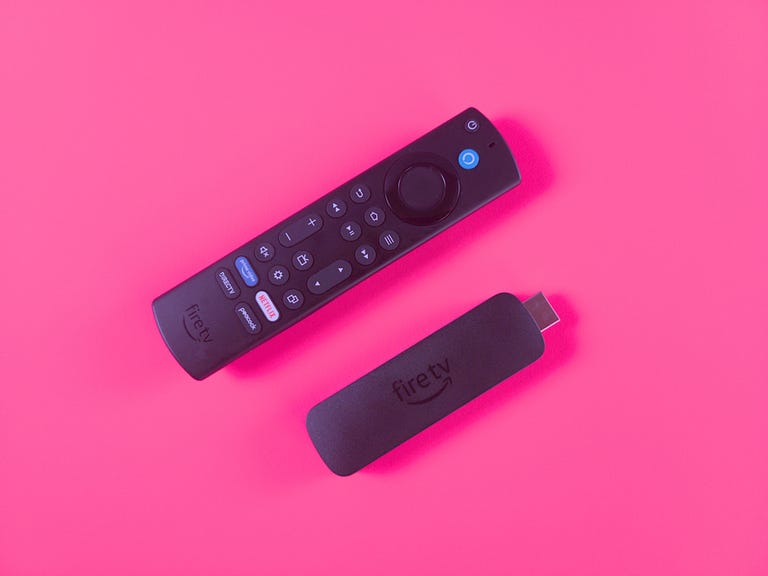
Amazon Fire TV Stick 4K Max (2023)
Like its predecessor, the Amazon Fire TV Stick 4K Max (2023) loads apps almost immediately, and navigating around the system is swift and smooth. Even better, the Max offers Wi-Fi 6E and nearly all the latest playback standards, including Dolby Vision. For people hooked into the Amazon ecosystem, the new Ambience mode can include up-to-date delivery information on your TV screen. Though it's only a little better specified than the original Max, the second gen is now officially the best Fire Stick on the market today.
Best for convenience
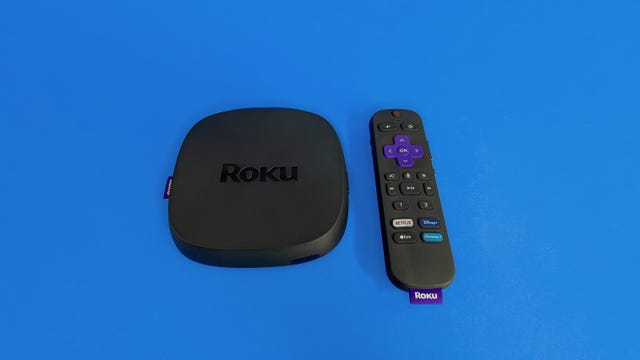
Roku Ultra
Roku's most expensive streaming box is more than twice the price of our top streaming device pick, but maybe you'll appreciate its extra features enough to want the upgrade. The 2022 model is almost identical to the previous versions, but now comes bundled with the excellent Voice Remote Pro.
But if you really love the remote and want to save a little money, you could try Roku's other bundle, the
Otherwise, the Ultra continues to deliver Dolby Vision video, faster responses than the Streaming Stick 4K, improved Wi-Fi and a wired Ethernet port -- particularly welcome if your home Wi-Fi is overloaded.

Best for Apple fans
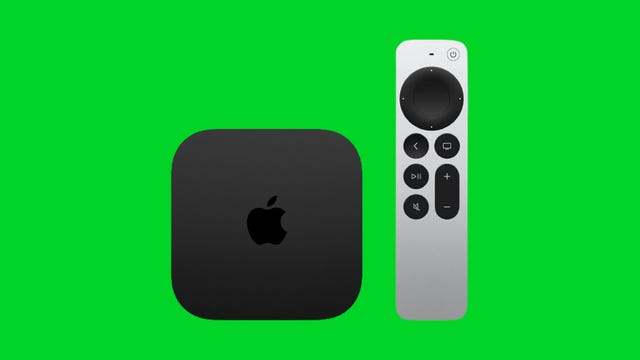
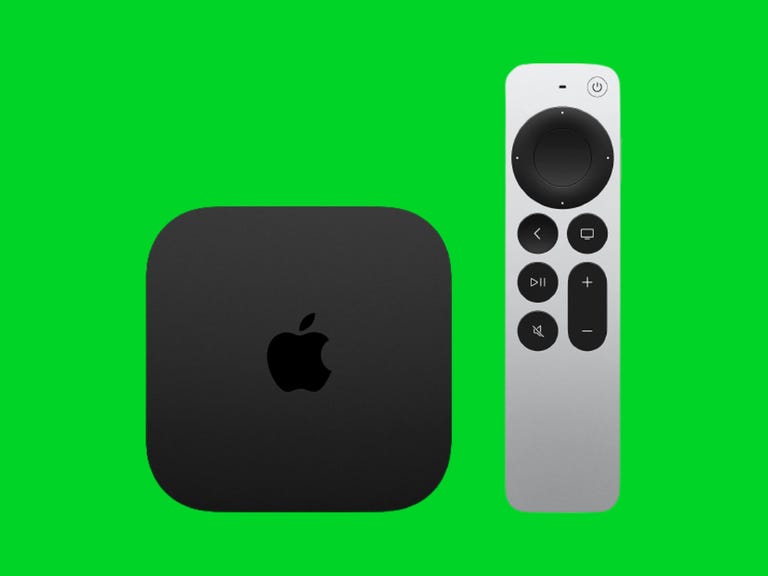
Apple TV 4K (2022)
The 2022 Apple TV 4K starts at $129, $50 less than its previous version. It also has a faster A15 Bionic processor under the hood and an updated Siri Remote that swaps out the proprietary Lightning connector for USB-C. If those changes sound minor, that's because they are. When using the device, it's hard to see any real difference compared to last year's model.
But it continues to be a good choice for those who want an Apple device to use Apple Arcade for gaming or take full advantage of their Apple One subscription bundles. Video purists will appreciate its flexible HDR and TV calibration feature.
For most people, however, Apple's venerable remote control streaming device just isn't worth the money, especially now that Roku has nearly all the major apps and AirPlay. If you really want Dolby Vision, you can find that on the Roku Streaming Stick 4K at a fraction of the price.
Best soundbar-streaming combo
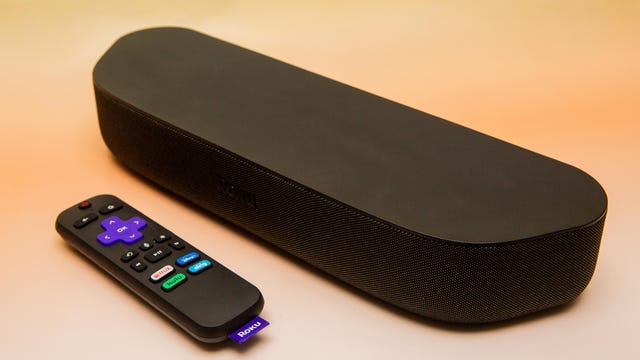
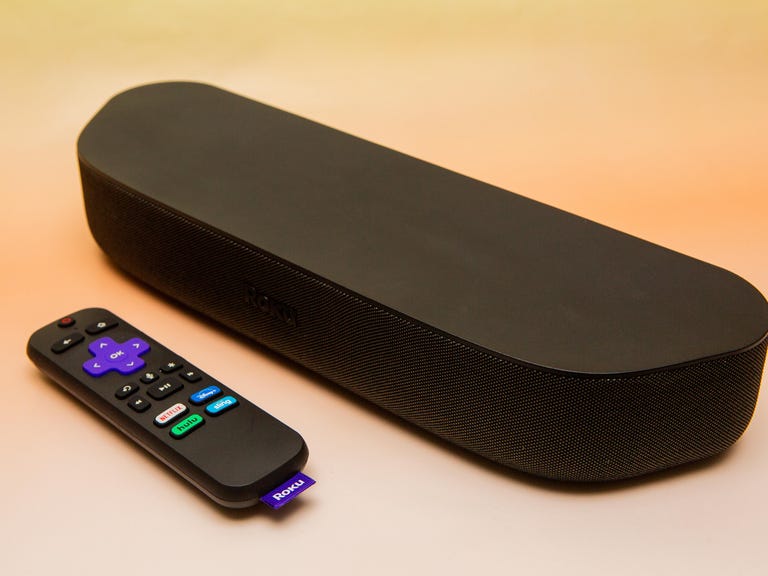
Roku Streambar
Soundbars with streaming onboard may be a relatively recent development, but Roku's new Streambar nails it. It has the Roku interface we know and love, complete with 4K HDR with improved sound for any TV, especially dialog. It's smaller and more affordable than its predecessor, the Roku Smart Soundbar, but we think the new Streambar media streamer device makes more sense for most people.
Best for gamers
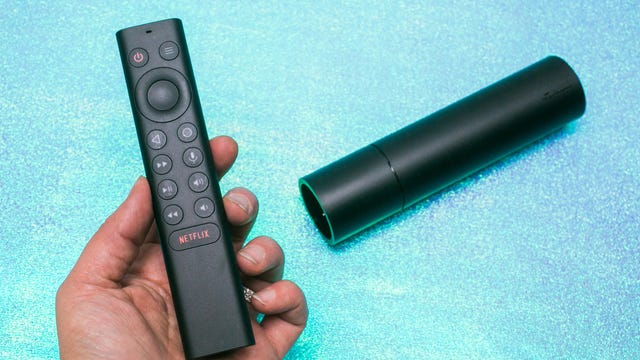
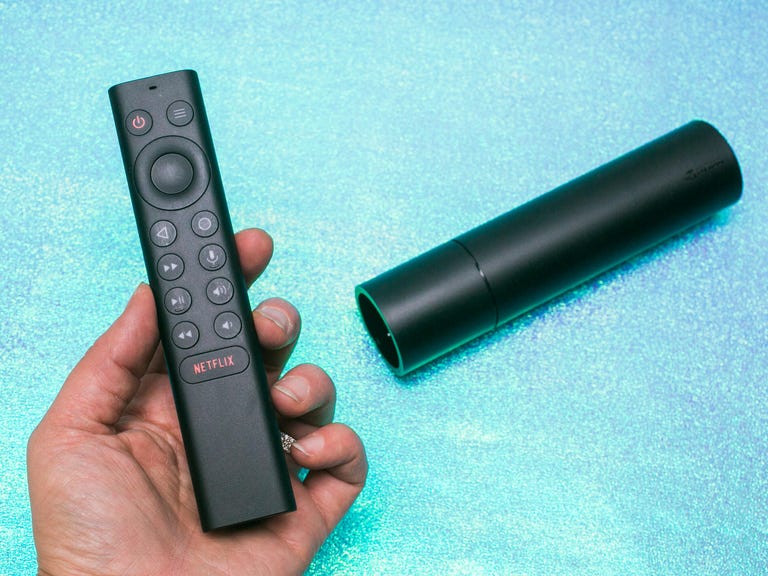
Nvidia Shield TV
Sure, it's an expensive media device -- and that's before adding a game controller -- with 8GB of storage and 2GB RAM, compared to 16GB of storage and 3GB RAM, but if you want a jack-of-all-trades video streaming player, the Shield is it. In addition to 4K streaming and HDR, it offers a robust library of games, both console-level and Android, Steam Link, built-in Google Assistant complete with smart home control, NAS access, Plex server capability, HD HomeRun integration and much more.
How we test streaming devices
Every streaming device we review receives hours of hands-on testing. Typically, this involves installing the device on multiple TVs, evaluating the setup process, adding popular streaming channels and using the product as if it were our own. We use all of the major features available on the platform and note how they stack up against the competition. To do this, we hook rival streaming devices to the same TV so we can switch back and forth easily to compare the experiences.
Our metrics that we look at to rate a device include: hardware design and features, remote capabilities and design, overall platform ease-of-use, effective layouts and design, search capabilities, privacy settings, the number of apps and their performance, and the overall speed and reliability of the system.