 Why You Can Trust CNET
 Best Gifts for Photographers in 2024
Whether you're shopping for a beginning photographer, a keen landscape enthusiast or a budding YouTube vlogger, these gifts will be essential extras.


- Shortlisted for British Photography Awards 2022, Commended in Landscape Photographer of the Year 2022
Finding the perfect gift for the photographer in your life is a learning experience. On the surface, it may seem like an easy venture, but there is a whole world of cameras, filters, lenses, lights and other photo-related accessories that can make your head spin if you don't know what you're looking for. Not to mention, the prices for some of this gear can come as a shock for those looking to stay within a particular budget.
As a photographer, I know first hand that shutterbugs -- professional or amateur -- are always on the lookout for the latest and greatest accessories to add to their collection. If you're looking to buy the best cameras from Canon, Sony and Nikon, or invest in some new lenses, tripods or bags, there are endless possibilities for cool gifts.
We've highlighted our top picks for the best cameras, drones, action cameras, tripods and photography accessories. For more affordable picks, we've included an array of add-ons -- such as storage cards, LED lights, filters and camera straps -- that still make wonderful gifts. Whether your giftee is a keen landscape photographer or a budding YouTuber, we've got the best gifts to fit all budgets.
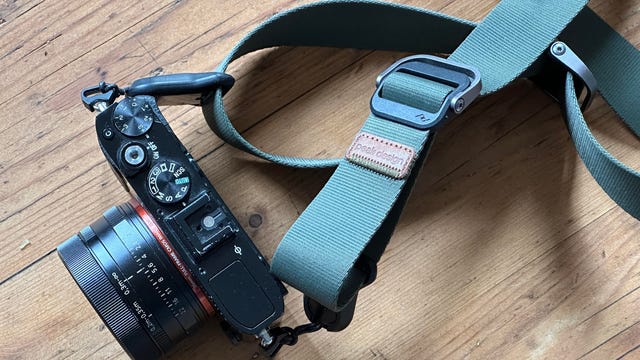
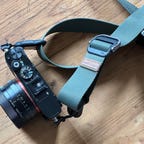
While most cameras come with straps, they're often quite basic. Peak Design's Slide straps are more comfortable to use, come in a variety of widths to support larger cameras and have an innovative locking mechanism that lets them quickly detach the strap -- ideal if they want to move it between different cameras or remove it for neater storage.
I've used Peak Design's camera straps on professional photoshoots for years, and they've always proven to be extremely hard-wearing. I always make sure I have one on my camera.
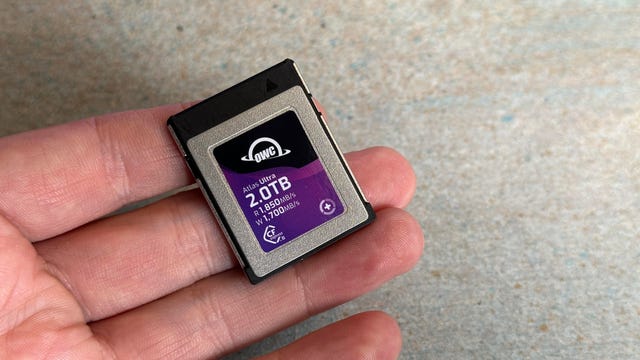
With cameras like the Canon R5 that are capable of shooting incredibly detailed 8K video footage, they'll need a storage card that can keep up. Even shooting lots of bursts of still images can be taxing.
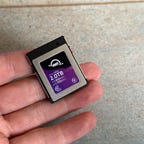
OWC's Atlas Ultra CFexpress card enables write speeds up to 1,700MB/s and read speeds of up to 1,850MB/s, which will easily keep up with their video shooting needs and outstrip the speeds offered by older SD cards.
Better yet, they're available in capacities from 165GB for more casual still shooters up to a whopping 2TB for more enthusiastic or professional video creators. Smaller capacities are available at more affordable prices, so it's easy to find a card to suit your budget.
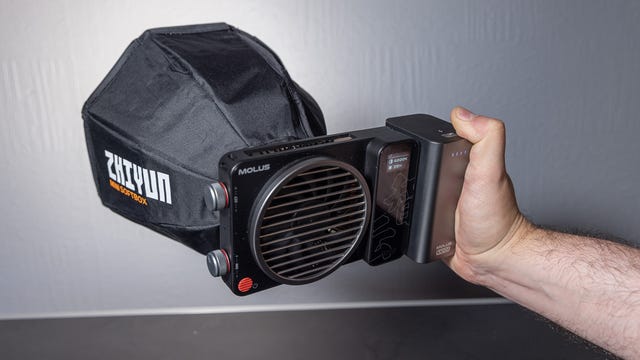
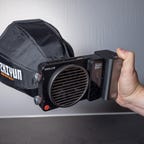
Zhiyun's Molus X100 LED light packs a huge amount of power into an extremely small package. It puts out 100 watts of power, which is as much as a photographer would typically get from dedicated studio monolights. It's small enough to be used handheld, which makes it remarkably convenient for lighting on the move or for lighting in tight spaces.
It's battery-powered but can run off USB-C, and the battery unit can be detached and used as a power bank to recharge their phone. The kit comes with a small collapsible soft box, but Zhiyun also sells an adapter to use the light with regular S-mount light modifiers.
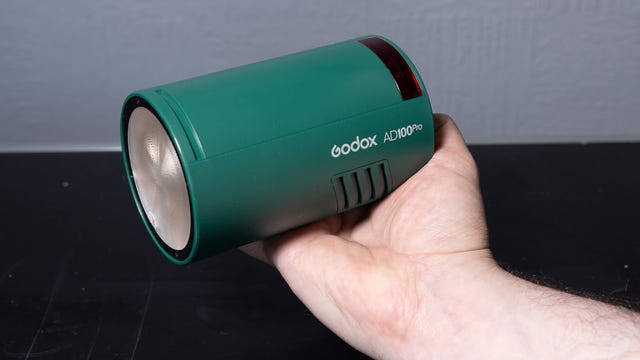
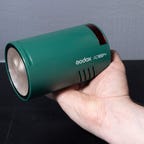
If your favorite shutterbug prefers working with flash lighting rather than continuous LEDs, Godox's AD100 Pro is a solid light to consider. It's tiny and easy to hold, but it puts out more light than most on-camera flashguns. It's off-camera only, requiring Godox's X-Pro wireless controller (sold separately) to sit on their camera, but this makes the AD100 Pro a versatile lighting tool for portraits or weddings.
I've used Godox's off-camera flashes for wedding and event photography for years, as well as for macro and still-life photography. Having so much power in such a small size is ideal for anyone who doesn't want to be weighed down with gear.
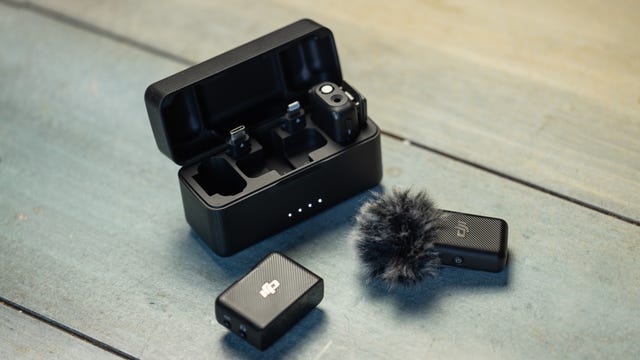
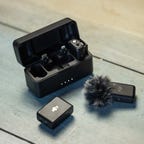
Better known for its drones, DJI also makes this Mic setup that's a superb wireless audio recording solution in a really neat package. The kit comes with a receiver that sits on their camera and two separate wireless mics -- one for them, one for a friend, perhaps. In my experience, the connection is strong and stable, and the audio quality is superb even in high wind thanks to the supplied wind shields.
The mics are stored conveniently in a case that also charges them, providing up to 15 hours of total recording time. The output can plug directly into their camera's mic socket, or they can use it with their iPhone or Android using a 3.5mm adapter.
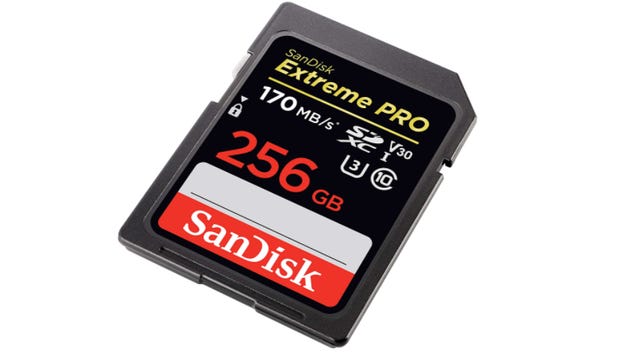
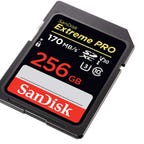
With cameras shooting still photography and videos at ever-increasing resolutions, it's easier than ever to run out of storage. Thankfully, storage doesn't have to break the bank, and this 256GB SD card from SanDisk packs a huge amount of space for their files at a reasonable price. It's ideal for beginners who want one card they never need to worry about filling up, but it's cheap enough for enthusiasts to buy several to make sure they can keep on shooting. Just make sure their camera supports SD cards up to 256GB in size.
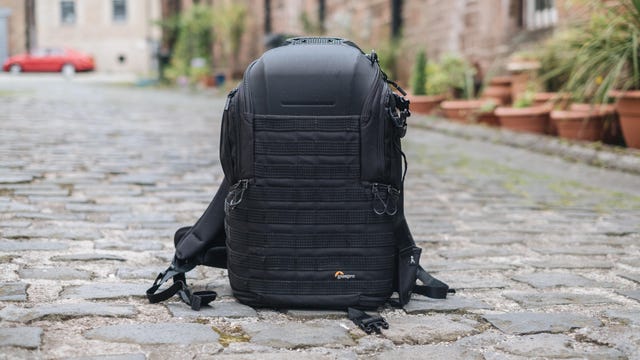
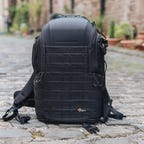
LowePro has been a staple of the photography bag world for years, and with the ProTactic 450, it's easy to see why. This rugged backpack opens fully from the back, although there are side and top quick-access points, too. It provides a wealth of storage slots for a DSLR, multiple lenses, filters, batteries and other accessories -- I even stuffed a small drone in among my gear.
If they can't quite fit everything inside, there are additional accessory pouches that attach to the outside of the case, where they can also attach their tripod. It's comfortable to carry thanks to chest and hip straps, it's durable, and it has a zipper compartment for laptops up to 15 inches.
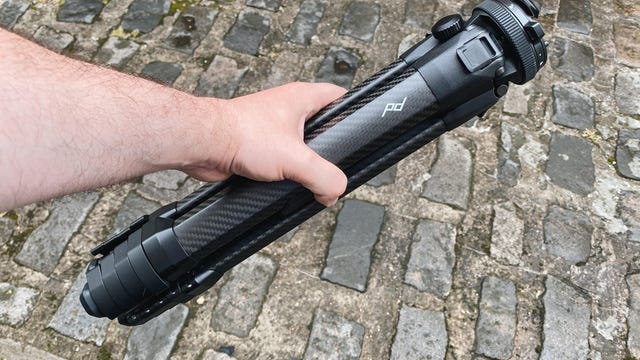
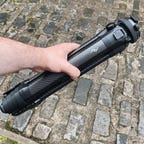
Peak Design's Travel Tripod is one of the best camera gear choices for those who want to travel light. The carbon fiber version weighs only 2.8 pounds (1.27 kilograms) and packs down to only 15.4 inches (39.1 centimeters) long, making it easy to toss in a backpack or camera bag. The aluminum tripod model weighs 3.4 pounds (1.5 kilograms).
Its ball head is quick and easy to use, it's sturdy enough to hold a professional DSLR and it comes with its own grip so they can mount their phone on the tripod that tucks away inside the central column. It's all extremely well thought-out and feels reassuringly sturdy.
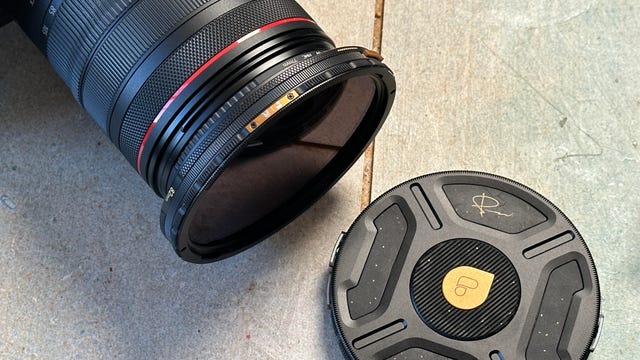
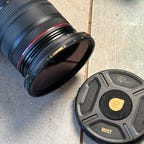
I've been impressed before with PolarPro's square filter system, but the new Helix range brings some huge time-saving tech to the table. The filters attach magnetically to mounting rings on their lens, meaning they can swap them out in seconds, rather than fiddling with fragile pieces of square glass. With a locking mechanism and strong magnets, they hold in place exceptionally well, and the robust build means they will put up with a rough photoshoot without issue.
I tested the Helix range with the variable neutral density filter, the circular polarizer and the mist filter, all of which performed extremely well. While not the cheapest magnetic filters on the market, PolarPro's equipment has always been impressively well made, and the extra spend is worth it for the high quality.
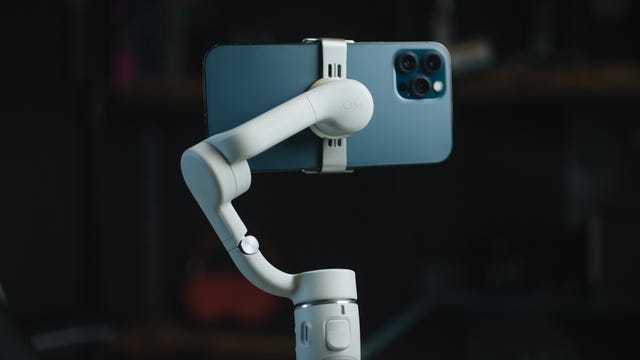
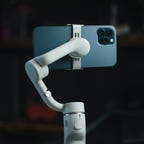
The iPhone 15 Pro and other top phones can shoot superb, professional-quality video, but if they want to take it to the next level, a gimbal will help. Gimbals stabilize hand shakes or other movements to provide smooth-looking footage without any of the wobbliness you might expect from amateur videos.
DJI's OM 6 has a built-in selfie stick so they can get smooth videos or more creative angles without having to bend over. It folds down to a compact size, so it's no trouble to toss in a backpack.
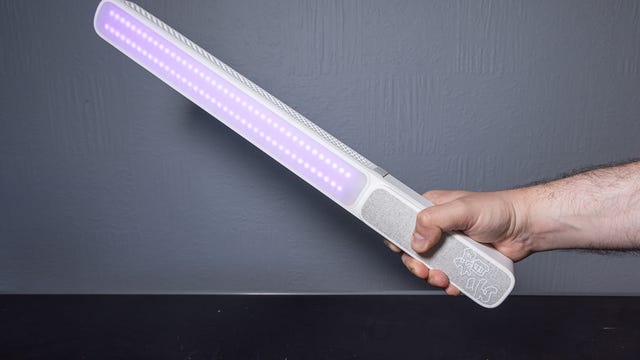
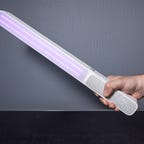
If they want to get creative with their photography lighting, Zhiyun's Fiveray light stick is a great toy to play around with. It's like a lightsaber: a long stick that lights up in different colors and is easily handheld. Though they won't be slicing through droids, its brightness means it's able to light hard-to-reach places or create interesting lighting effects.
They can adjust the color temperature to match other lights in the room, or switch it to RGB mode to experiment with vibrant pinks or deep cyan tones.
While the battery life isn't great -- especially if they'll use it on max power -- it comes with a power pack and can also run via USB-C.
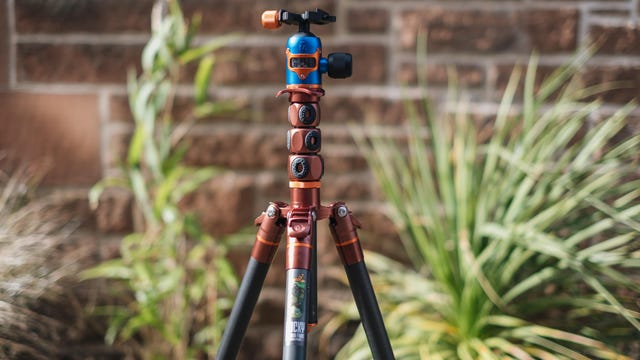
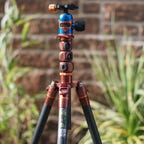
The 3 Legged Thing Bucky is a super tripod for almost any photographer. Its carbon fiber construction means it's light enough to comfortably strap to a backpack and it packs down small, but its maximum height of over 6.2 feet (191 centimeters) makes it extremely tall, too. It's brilliant for landscape photography since it's easy to carry out into the hills, but I can still shoot at eye level.
Its ball head is secure enough to hold even the weightiest DSLR with a big zoom lens attached, its legs can be detached to use as monopods, and its solid construction means they don't need to worry about it taking a few knocks on the road. It doesn't come cheap, but photography enthusiasts in any genre are well served here.
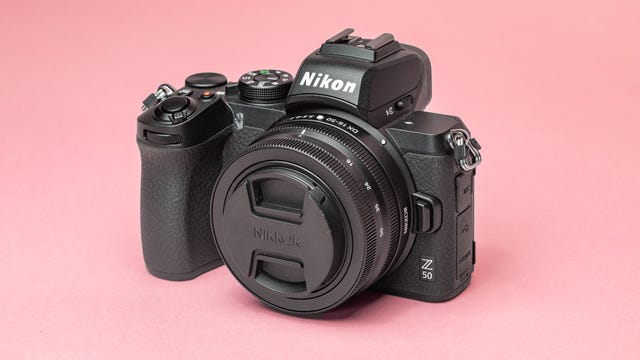
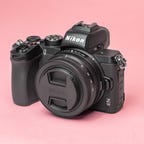
Nikon's Z50 packs a smaller APS-C sized image sensor into a small and lightweight body, which makes it excellent for tossing into a backpack. Its 20.9-megapixel sensor takes good-looking images, with excellent detail and enough dynamic range in the raw files to pull back highlights or lift shadows.
There's no in-body image stabilization (you'll need to spend more for that) but its 11-frames-per-second burst shooting rate should help them score a sharp image. It shoots 4K video at up to 30 frames per second, and its tilting rear LCD will help get shots at awkward angles.
Nikon offers only three lenses designed for its APS-C DX-format camera, which isn't a wide selection -- although the wide zoom ranges will likely suit beginners well. It does use the same Z-mount for its lenses on Nikon's FX-format cameras like the Z7 II, however, so they can always use those professional-standard lenses on this camera. That said, the higher prices of those lenses will somewhat negate the affordability of the Z50.
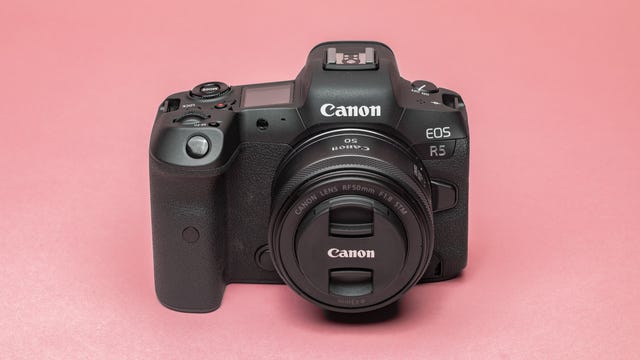
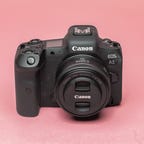
Canon's EOS R5 has a slew of great features, including amazing image stabilization, lightning-fast autofocus and quick burst shooting. But the R5's standout feature is its ability to shoot video in 8K resolution. While not everyone will need that many pixels, 8K can give a lot more scope for cropping and creative editing, making it a great choice for the dedicated videographer who's looking for the best camera gear.
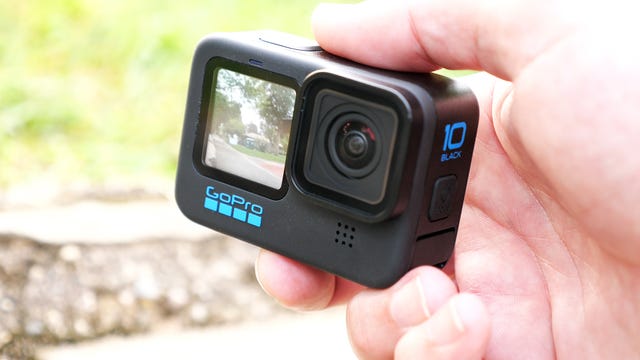
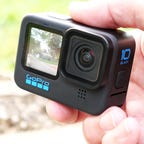
Although it's not the latest model, GoPro's Hero 10 Black still offers 120 frames per second at 4K resolution, which is great for slowing down the action. Its stabilization is superb, and the overall video quality looks glorious. You can also typically pick it up for a good deal less than the current Hero 12.
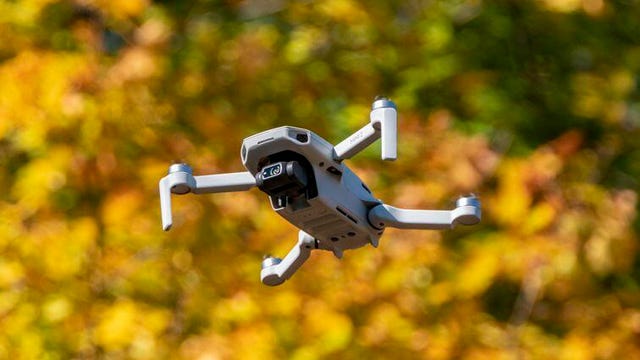
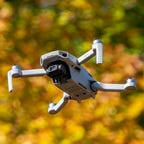
DJI's smallest drone can be squeezed comfortably into a pocket, but its camera is capable of taking beautiful videos and photos thanks to 4K resolution and the ability to shoot still images in raw format. It's easy to fly, too, making it a great option for beginners or more enthusiastic aerial photographers who want to travel as light as possible.